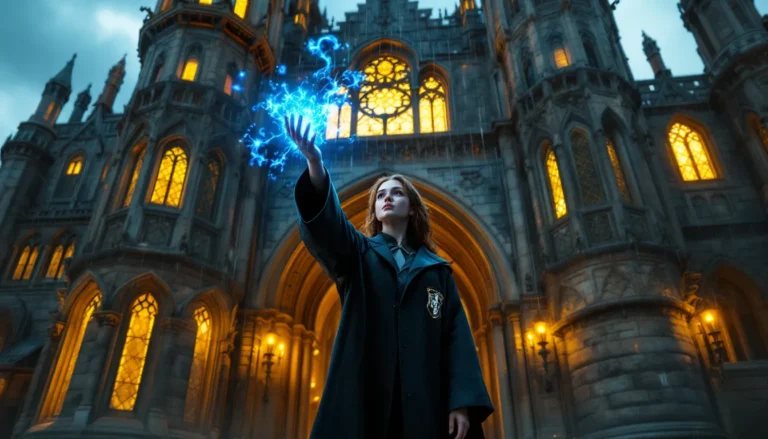
The wizarding world holds its breath. Since Hogwarts Legacy launched in February 2023, the game has captivated millions of players across PC, PlayStation, and Xbox platforms, selling over 12 million copies and establishing itself as one of the year’s biggest hits. Now, as 2026 unfolds, fans are buzzing with speculation about a potential Hogwarts Legacy sequel. Will Avalanche Software announce a follow-up? What could the next game bring to the table? This guide breaks down everything confirmed, rumored, and speculated about the next installment in the franchise, helping you separate official information from wishful thinking.
Table of Contents
ToggleKey Takeaways
- A Hogwarts Legacy sequel has not been officially announced, but Avalanche Software’s aggressive hiring for AAA third-person action RPGs and the original game’s $850+ million revenue strongly suggest one is in development or planned.
- If a Hogwarts Legacy sequel is in active development now, a realistic launch window would be 2027–2028, with official announcements expected in autumn 2026 or early 2027 at industry events like The Game Awards or Gamescom.
- The sequel will likely jump to Unreal Engine 5, enabling dramatic visual improvements including photoreal graphics, seamless area transitions with near-instantaneous loading, and support for 60 FPS at high settings on PS5 and Xbox Series X.
- Fans expect the Hogwarts Legacy sequel to address the original’s criticisms: improved story pacing, higher-quality side quests, deeper character customization tied to narrative choices, and expanded combat variety through elemental spell combinations.
- Expect the sequel on PS5, Xbox Series X|S, and PC, with a Nintendo Switch port remaining uncertain and potential multiplayer features like co-op dungeons and PvP dueling arriving as post-launch additions rather than day-one features.
Is a Hogwarts Legacy Sequel Actually Happening?
Official Announcements and Developer Statements
As of early 2026, Avalanche Software and Warner Bros. Games have not made an official announcement about a Hogwarts Legacy sequel. This absence speaks volumes, and not always in a positive direction. Typically, major publishers confirm sequel development fairly quickly if production is underway, especially for a franchise that generated $850+ million in revenue within the first year.
Developer statements have been notably cautious. Studio head Art Lieberfeld has discussed future projects in general terms, hinting at new IP and expanded franchises, but nothing concrete about a direct follow-up. This restraint doesn’t necessarily mean “no sequel”, publishers often keep major announcements under wraps during pre-production, but it does mean fans shouldn’t expect a reveal in the immediate future.
Industry insiders, including reports from sources like Game Informer, have suggested that Avalanche Software is likely developing sequels to its licensed properties, given the commercial success of Hogwarts Legacy. But, these remain educated guesses rather than leaked confirmations.
What Avalanche Software Has Confirmed
What we do know: Avalanche Software signed a long-term partnership with Warner Bros. Games and appears committed to the Wizarding World franchise. In statements about their future direction, the studio has emphasized creating “epic fantasy experiences” and franchise expansion, language that typically precedes sequel development.
The company has also been hiring aggressively for “unannounced AAA projects,” with job postings specifically seeking developers with “experience on large-scale third-person action RPGs.” This matches Hogwarts Legacy’s core design, suggesting that at least one major project in their pipeline shares similar DNA.
Crucially, Avalanche Software’s parent company, NetEase, has financial incentives to pursue Hogwarts Legacy 2. The original game’s success proved the appetite for interactive Wizarding World stories. Financially, a sequel is almost inevitable, but timing and scope remain mysteries.
Release Date Predictions and Timeline
When Could We Expect the Sequel?
If a Hogwarts Legacy sequel is in active development now, a realistic launch window would be 2027 to 2028. Here’s why: AAA games of Hogwarts Legacy’s scale typically take 3–5 years from green-light to release. Even with a proven engine, refined systems, and lessons learned from the first game, you’re looking at a substantial development cycle.
The original Hogwarts Legacy spent roughly four years in development before its 2023 launch. A sequel would benefit from having an established foundation, potentially shortening that timeline by 6–12 months, but don’t expect announcements until late 2026 or early 2027 at the earliest. Major conventions like E3 (if it returns), Summer Game Fest, or Gamescom are typical venues for franchise announcements of this magnitude.
Market saturation also matters. Warner Bros. Games won’t want to cannibalize sales by releasing a Hogwarts Legacy 2 too soon after launching Quidditch Champions (the spin-off sports game) or other Wizarding World titles currently in development. Spacing releases strategically maximizes franchise revenue and fan engagement.
Platform Availability and Launch Windows
Assuming a Hogwarts Legacy sequel happens, expect it on current-generation platforms: PlayStation 5, Xbox Series X
|
S, and PC. The original game’s success on these platforms made porting the previous generation versions feel like an afterthought.
Nintendo Switch remains a question mark. The original game received a Switch port in November 2023, but significant compromises in graphics and performance made it feel like a last-minute cash grab rather than a carefully optimized release. A sequel might skip Switch entirely, focusing Avalanche Software’s resources on powerhouse platforms where the technical vision can shine.
Mobile gaming is another possibility. Hogwarts Legacy’s brand recognition and casual appeal could translate to a mobile companion app, think Pokémon Go meets Wizarding World, but this would likely launch alongside, not instead of, a traditional console/PC sequel.
My take? Expect a simultaneous multiplatform launch on PS5, Xbox Series X
|
S, and PC. Publishers rarely stagger major console releases anymore.
Rumored Features and Gameplay Improvements
What Fans Want to See
The Hogwarts Legacy community is vocal about what should improve in a sequel. Here’s what keeps coming up:
Character customization and roleplaying depth consistently tops the list. Many players felt that while the character creator offered decent cosmetic options, the narrative didn’t acknowledge player choices meaningfully. A sequel that tailors story beats to your house, ambitions, or moral choices would feel revolutionary by comparison.
Expanded magical combat is another major request. The first game featured compelling spellcasting, but players wanted more meaningful variety, imagine unlocking entire skill trees that fundamentally alter your combat playstyle, similar to how Hogwarts Legacy Romance Options deepen character relationships. A sequel could introduce elemental or school-specific spell combinations, status effects, and destructible environments that reward creative spell usage.
Post-game content and replayability was a weakness of the original. Once you’d finished the main story, incentive to replay diminished quickly. Roguelike dungeons, procedurally generated challenges, or time-limited events could keep players engaged for years rather than months.
Fans also demand better pacing. Some sections of the original game felt rushed or overstuffed, particularly in the third act. A sequel with tighter narrative control and fewer side quests (but higher quality ones) would resonate strongly.
Potential Story and Setting Expansions
Story-wise, the sequel has plenty of room to explore. The first game is set in the 1800s, a century before Harry Potter’s arrival at Hogwarts. A sequel could either advance the timeline toward the modern era, creating connections to characters fans know from the books and films, or stay in the historical setting but shift focus to different regions of the Wizarding World.
International Wizarding World locations are begging to be explored. Imagine missions taking you to the Uagadou School of Magic in Uganda, the Brazilian wizarding institute, or the wizarding academies of Asia. The Fantastic Beasts films proved there’s appetite for globe-trotting Wizarding World stories.
Alternatively, the sequel could deepen its focus on the Hogwarts castle itself. In the first game, entire wings of the castle remained inaccessible. A sequel that gradually unlocks new areas, perhaps through a time-skip or narrative catalyst, would justify replaying familiar environments with fresh intrigue.
The dark wizard threat established in the first game could escalate dramatically. If the sequel addresses what’s brewing in the shadows, players might face genuinely consequential choices about whether to oppose or embrace darker magical practices, adding moral weight to decisions beyond “good or evil.”
Engine Upgrades and Technical Enhancements
Next-Generation Console Capabilities
Hogwarts Legacy ran on Unreal Engine 4, a capable but aging foundation by 2026 standards. A sequel would almost certainly jump to Unreal Engine 5, which Avalanche Software has already begun implementing in some projects.
UE5 brings Nanite technology (eliminating polygon limitations for detailed environments) and Lumen (real-time global illumination), enabling jaw-dropping visual fidelity. For a game set in Hogwarts, this matters immensely. Imagine classrooms with light streaming through stained glass, potion ingredients rendering at pristine detail, and spell effects illuminating dungeons with realistic light propagation.
Framerate expectations are also shifting. The original Hogwarts Legacy targeted 30 FPS on console in quality mode, with 60 FPS requiring significant visual compromises. A sequel on PS5 and Xbox Series X should comfortably deliver 60 FPS at high settings, with optional quality modes hitting 30 FPS with ray-traced reflections and enhanced draw distances.
Loadings times were another pain point. Modern SSD technology in PS5 and Series X enables near-instantaneous level streaming, meaning the sequel could offer seamless transitions between areas without the occasional stutters or pop-in that plagued the original.
Graphics and Performance Expectations
Visually, expect the Hogwarts Legacy sequel to push into photoreal territory. Unreal Engine 5’s material systems and character rendering have reached a point where characters’ skin, fabrics, and facial animations rival cinematics. NPCs should feel less like interactive puppets and more like living, breathing inhabitants of the castle.
Weather systems, too, could be dramatically enhanced. The first game’s rain and snow were serviceable but static. A sequel could feature dynamic weather that affects gameplay, rain flooding certain pathways, snow limiting visibility, magical storms that disrupt certain spells or enhance others.
One realistic caveat: Avalanche Software will balance ambition with stability. The original launched with optimization issues, especially on PC, making performance targets a potential vulnerability for a sequel. Expect the studio to be more conservative with visual settings than fans might hope, ensuring a seamless process across hardware tiers.
The target specs are likely to be:
- PS5/Xbox Series X: 4K, 60 FPS (quality mode): up to 120 FPS at lower resolution
- PC: Fully scalable, supporting ultra-wide monitors and high refresh rates
- Xbox Series S: 1440p, 60 FPS (with occasional dips to 50 FPS during intense scenes)
How the Original Hogwarts Legacy Shaped Expectations
Strengths Worth Building Upon
The original Hogwarts Legacy wasn’t perfect, but it got the core fantasy right. Walking through the Hogwarts gates for the first time, exploring the castle, casting spells, and attending classes, these moments delivered exactly what players wanted. A sequel needs to preserve that magic while evolving it.
Spellcasting is a genuine highlight. The act of aiming spells, watching them collide with enemies, and chaining together combos felt satisfying in a way many action RPGs don’t. The tactile feedback and visual spectacle of dueling made combat engaging. A sequel should double down here, adding complexity through spell combinations and environmental interactions.
The world’s environmental storytelling also shines. Hogwarts feels like a real, lived-in place. From portraits offering hints and commentary to scattered lore books filling in franchise history, Avalanche Software nailed atmosphere. Preserving that meticulous detail while expanding scope is critical.
The romance and relationship systems, while simple, added emotional investment. Many players invested heavily in friendships and romantic subplots because they felt organic rather than transactional. Deepening this in a sequel could create genuine narrative consequences.
Fan Feedback and Common Criticisms
Not everything landed. The main story’s pacing, mentioned earlier, remains the most consistent criticism. Too many plot threads introduced too quickly, leaving little room for character development or player-driven narrative choices.
Side quests, while charming, sometimes felt like filler. Many repeatable tasks lacked creativity or emotional weight. A sequel benefits from fewer side quests but with individually crafted stories, think The Witcher 3 rather than the original Hogwarts Legacy’s sometimes-generic tasks.
The game’s controversial handling of darker themes, particularly curses and the dark wizard subplot, felt underdeveloped. Some fans wanted more moral complexity: others felt the game wasn’t dark enough. A sequel should commit more decisively to its tone, whether that’s embracing moral gray areas or doubling down on magical fantasy adventure.
Performance concerns also linger. The original had notorious optimization issues on day one, especially on PC, where certain areas dropped framerates dramatically. Players have lost faith: a sequel’s launch stability becomes make-or-break for reputation.
Finally, there’s the elephant in the room: J.K. Rowling’s controversial statements have made some players hesitant to engage with Wizarding World adaptations. Whether a sequel succeeds commercially will partially depend on how willing the gaming audience remains, independent of gameplay quality. For context on how this affects the franchise, Does J.K. Rowling Make money from these projects is a question many players actively research before purchasing.
Multiplayer and Online Features
Could the Sequel Include Co-Op or PvP?
This is where speculation gets spicy. The original Hogwarts Legacy was entirely single-player, and for good reason, integrating multiplayer into a story-driven, immersive RPG is notoriously difficult. But a sequel? The possibility exists.
Co-op dungeons or multiplayer duels could work without compromising the campaign. Imagine joining other players for high-difficulty endgame challenges separate from the main story, earning exclusive cosmetics and spells. This mirrors how games like Destiny 2 split single-player campaigns from multiplayer activities.
A PvP dueling system has been the fantasy of countless Hogwarts Legacy players. Structured duel tournaments, house-vs-house challenges, or ranked dueling leagues would appeal enormously, especially with the game’s solid spell-casting mechanics. But, balancing PvP around a PvE-designed spell system is a nightmare, expect nerfs and adjustments that upset the story experience if multiplayer launches.
Asynchronous multiplayer is also possible: leaving challenge rifts for other players, collaborative world events that progress across the player base, or ghost duels against recorded player inputs. These avoid real-time server complexity while adding community dimension.
Reality check: Multiplayer would require substantial server infrastructure, ongoing maintenance, and community management. For a single-player-focused franchise, this feels like a lower priority than nailing single-player content. Expect multiplayer as a post-launch feature, if it comes at all, rather than a day-one inclusion.
That said, if Avalanche Software feels pressure to justify a full sequel (rather than releasing extensive DLC for the original), multiplayer might be the differentiator marketing team pushes. Whether it enhances or dilutes the experience remains uncertain.
What to Expect From Marketing and Announcements
Industry Events and Potential Reveals
If a Hogwarts Legacy sequel is announced, expect it to be massive. Warner Bros. Games treats its major franchises with theatrical reveals, typically at industry tentpoles like Summer Game Fest, Gamescom, or potentially The Game Awards.
The original game’s announcement at E3 2022 came with an 8-minute cinematic teaser and detailed gameplay footage, the full showmanship. A sequel announcement would likely follow similar pageantry: a teaser trailer, a cinematic reveal, and eventually extended gameplay showcasing new features.
Timing-wise, look for announcements in autumn 2026 at the earliest. The Game Awards in December 2026 could be a prime venue, giving them a massive audience of millions of viewers. Alternatively, if they wait until 2027, E3 or Gamescom (typically July-August) becomes the logical reveal window.
Marketing will heavily emphasize what’s new: engine improvements, graphics overhauls, new locations, expanded magic system, etc. Expect side-by-side comparisons with the original, developer commentary on lessons learned, and probably some dramatic CGI reimagining of Hogwarts with next-gen fidelity.
Community engagement will matter. Avalanche Software learned from launching Hogwarts Legacy that fan expectations were sky-high: they’ll likely invest heavily in transparent communication during development. Regular developer diaries, behind-the-scenes content, and Q&A sessions could become standard pre-launch marketing.
On external gaming outlets, coverage will be extensive. Sites like IGN and GameSpot will dissect every announcement frame-by-frame. The reveal trailer alone will generate hundreds of articles analyzing lore details, gameplay systems, and franchise implications.
One important note: Keep expectations realistic about the reveal timeline. Major games often delay announcements: it’s entirely possible that a Hogwarts Legacy sequel is in development right now but won’t be publicly confirmed for another year or more.
Conclusion
The Hogwarts Legacy sequel remains in the realm of educated speculation rather than confirmed reality. No official announcements exist yet, but circumstantial evidence, the original’s massive commercial success, Avalanche Software’s hiring practices, industry whispers, and Warner Bros.’ obvious financial incentive, strongly suggests a follow-up is in development or seriously planned.
If it happens, expect a 2027–2028 release on PS5, Xbox Series X
|
S, and PC. The game will likely leverage Unreal Engine 5, deliver dramatically improved graphics and performance, and address the first game’s most common criticisms: pacing, side quest quality, and character agency.
In the meantime, the Hogwarts Legacy community has plenty to explore. The original game still holds up remarkably well, and spin-offs like Quidditch Champions continue expanding the Wizarding World on console. For players diving into the 1800s magical setting, Hogwarts Legacy Archives offers comprehensive guides and lore deep-dives.
The wizarding world’s next chapter is coming, we just don’t know the exact release date yet. When official announcements do drop, this guide will need updating. Until then, keep your wand ready and your expectations tempered.