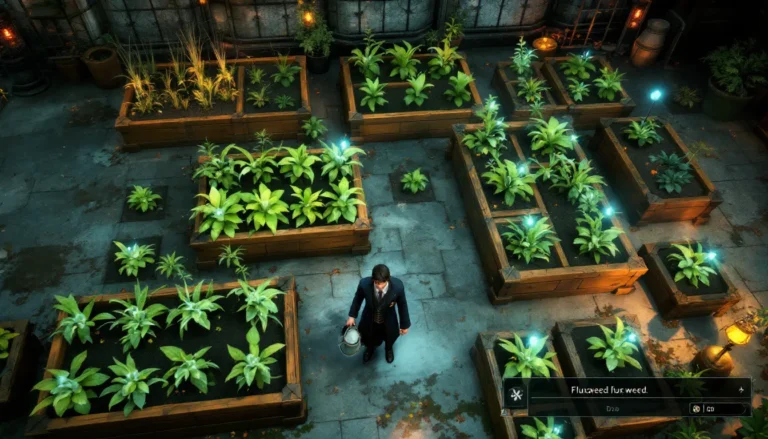
Ancient Magic in Hogwarts Legacy isn’t just another flashy spell, it’s a core mechanic that fundamentally changes how you approach combat, exploration, and character progression. Whether you’re a casual player casually exploring Hogwarts or grinding toward endgame content, understanding and mastering ancient magic can be the difference between barely scraping through a tough encounter and completely dominating it. This guide breaks down everything you need to know about ancient magic in Hogwarts Legacy, from unlocking your first spell to optimizing advanced combat strategies that’ll make you feel like a true wizard.
Table of Contents
ToggleKey Takeaways
- Ancient Magic in Hogwarts Legacy is a core combat mechanic with its own progression system that operates separately from standard spellcasting and dramatically increases your combat effectiveness.
- Focus on mastering three foundational spells first—Ancient Magic Throw, Barrage, and Heal—before investing heavily in advanced ancient magic options, which unlock between levels 5 and 22.
- Ancient Magic effectiveness multiplies when synergized with your primary spell loadout; pair damage-focused spells with offensive ancient magic and control spells with defensive options for maximum combat efficiency.
- Leverage ancient magic both offensively and defensively by timing deployments strategically—stun with primary spells, launch with Ancient Magic Throw, and use healing ancient magic proactively rather than only during emergencies.
- Endgame ancient magic mastery requires understanding cooldown cycles, studying enemy tells, farming ideal gear affixes, and continuously experimenting with builds rather than copying meta loadouts blindly.
What Is Ancient Magic in Hogwarts Legacy?
Ancient Magic is a special combat mechanic tied to a separate progression system within Hogwarts Legacy. Unlike standard spellcasting, which drains your regular spell pool and recharges based on your loadout, ancient magic operates on its own meter and unlocks unique abilities that feel genuinely distinct from your standard arsenal.
When you encounter enemies or interact with specific objects in the environment, ancient magic points appear as glowing visual cues. These aren’t just visual fluff, they’re the gateway to accessing some of the most powerful tools in your arsenal. Collecting these points fills your ancient magic meter, which then unlocks devastating attacks, crowd control options, and utility abilities that scale with your character’s level and talent investment.
The system rewards both combat awareness and environmental exploration. Players who stay alert and actively hunt for ancient magic sources will unlock their full potential faster than those who ignore the mechanic entirely. This is why understanding where ancient magic appears and how to leverage it separates skilled players from the rest.
How to Unlock and Master Ancient Magic Spells
Unlocking ancient magic spells requires you to invest in both combat experience and the ancient magic talent tree. Unlike regular spells that unlock through story progression, ancient magic requires deliberate effort and resource management.
Progression and Leveling Requirements
You’ll first encounter ancient magic during the main story, but unlocking additional spells requires reaching specific character levels and investing talent points into the ancient magic skill tree. Most ancient magic spells unlock between levels 5 and 16, though some advanced options require level 20+. The talent system is crucial here, you need to actually spend talent points on ancient magic nodes to unlock spells rather than just leveling up.
Each spell has escalating requirements. Your first ancient magic spell (typically Ancient Magic Throw) unlocks early and requires minimal investment. Subsequent spells like Ancient Magic Barrage and Ancient Magic Heal demand progressively more talent points and higher character levels. Plan your talent allocation carefully because you can’t max everything simultaneously, you’ll need to choose which branches of ancient magic fit your playstyle.
The progression curve accelerates after level 15. Endgame spells unlock at level 22+ and offer significantly more powerful effects, making the grind toward max level worthwhile.
Essential Spells to Prioritize First
Not all ancient magic spells are created equal. Early on, focus on spells that give you the most versatility:
- Ancient Magic Throw: Your foundational spell. It launches enemies and objects, dealing solid damage while applying knockback. Prioritize this first since it’s your entry point.
- Ancient Magic Barrage: A powerful area-of-effect option that rains down magical strikes. This spell is exceptional for handling groups of enemies and carries you well into mid-game.
- Ancient Magic Heal: Recovery is survival. This spell isn’t just for emergencies, it’s a game-changer for solo play and long dungeons where potion reserves run thin.
After landing these three, evaluate your playstyle. Are you struggling against specific enemy types? Do you need more crowd control or more raw damage? Invest accordingly. The beauty of ancient magic is that the full toolkit exists from level 5 onwards: you’re just choosing which tools to grab first.
Best Ancient Magic Combat Strategies
Ancient magic shines brightest when you understand how to leverage it tactically. Raw power means nothing if you’re not using the right spell for the right moment.
Offensive Techniques for Different Enemy Types
Different enemies require different approaches. Trolls and Dark wizards, for example, are vulnerable to Ancient Magic Throw because they can’t evade knockback effectively once caught. A well-timed throw staggers them and opens windows for follow-up damage from your primary spell loadout.
For groups of weaker enemies like Poachers or Cultists, Ancient Magic Barrage excels. The spell hits multiple targets simultaneously and builds momentum, kill one enemy and watch the cascade of hits eliminate nearby threats. On higher difficulties, this spell becomes your primary tool for managing overwhelming odds.
Elites and bosses require finesse. You’ll want to identify when they’re vulnerable (after they cast certain spells or after you land hitting stuns) and unleash ancient magic during those windows. Bosses can’t be stunned indefinitely, so spraying ancient magic at random is wasteful. Wait for your opening, then commit the resource.
Heavily armored enemies like Executors benefit from ancient magic’s armor-piercing properties. The mechanic bypasses defenses entirely, making it invaluable when your normal spells feel like you’re throwing pebbles at a stone wall.
Defensive Applications and Crowd Control
Ancient Magic Heal is your most reliable defensive option, but it’s far from your only one. Some ancient magic spells inherently provide crowd control through knockback, stuns, or status effects. Ancient Magic Throw, when used defensively, creates space by launching enemies away from you. This is critical when you’re overwhelmed or low on health.
Several talent tree upgrades enhance the defensive utility of ancient magic. Talents that improve Ancient Magic Barrage’s damage reduction or increase healing output transform the spell from “oh shit” button to reliable tank tool. If you’re playing higher difficulty levels, these defensive investments matter more than raw damage output.
The key strategic insight: don’t treat ancient magic as purely offensive. Effective combat rotations weave it in defensively when needed, creating rhythm between offense and survival. A dead wizard deals zero DPS.
Ancient Magic Locations and Discovery Guide
Finding ancient magic throughout Hogwarts Legacy isn’t random. The points spawn in predictable patterns tied to enemy encounters, specific environmental objects, and hidden collectibles.
Hidden Collectibles and Ancient Magic Receptacles
Ancient magic receptacles are the main sources of ancient magic in the world. These appear as glowing orbs or constellation-like visual markers. You’ll find them scattered throughout dungeons, caves, castle corridors, and outdoor areas. Some receptacles are immediately obvious: others are tucked behind locked doors or require solving environmental puzzles.
Each receptacle yields a chunk of ancient magic when interacted with. On your first playthrough, you won’t find every single one, that’s where multiple playthroughs and completion-focused runs come in. Completing the map and hunting receptacles is endgame busywork, but it’s satisfying and rewarding for completionists.
Folios and collection books hint at receptacle locations. If you’re systematic about exploring Hogwarts and its surrounding areas, you’ll stumble across most receptacles organically. For the remaining ones, you’ll need to either explore thoroughly or consult community-maintained maps.
Optimal Routes for Gathering Ancient Magic
Speeding through your first playthrough, focus on receptacles you encounter naturally during story quests and side missions. Don’t go out of your way to farm them aggressively, you’ll accumulate plenty through normal play.
Once you’re in the endgame and have unlocked all spells, optimization matters. Some dungeon runs are particularly dense with receptacles. The Undercroft and Feldcroft Catacomb, for example, pack multiple receptacles into relatively compact areas. If you’re farming ancient magic for specific reasons (talent respeccing, farming for a new build), these spots are efficient.
For a structured approach, use community guides and interactive maps to identify high-density areas. Fast travel between locations, grab receptacles, and move on. Doing this during your free exploration time, when you’re not actively progressing the story, keeps farming from feeling like a tedious grind.
Synergizing Ancient Magic With Your Spell Loadout
Ancient magic doesn’t exist in a vacuum. The most effective wizards integrate it seamlessly with their primary spell selection, creating synergies that amplify overall combat effectiveness.
Building Your Ideal Spell Combination
Your loadout, the spells you set as primary casts, should complement your ancient magic choices, not compete with them. If you’re running Stupefy as your primary control spell, pairing it with Ancient Magic Throw creates a deadly combo: stun an enemy with Stupefy, then immediately launch them with ancient magic for massive damage.
Consider your spell tree carefully. Damage-focused builds (Incendio, Bombarda, Diffindo) pair well with offensive ancient magic spells like Ancient Magic Barrage. Control-focused builds (Stupefy, Petrificus Totalus, Glacius) benefit more from defensive ancient magic options. Balanced builds might lean on Ancient Magic Throw as a bridge between offense and control.
Test different combinations during encounters. What feels smooth? What feels clunky? The best loadout is the one you’re comfortable executing under pressure. Don’t copy someone else’s loadout just because they claim it’s “meta”, find what works for your playstyle and skill level.
One tactic many players overlook: chain your ancient magic spells together. If you have the resources and the enemy is still standing, stagger them with one ancient magic spell and immediately follow with another. This burns through resources but trivializes difficult encounters.
Gear and Talent Recommendations
Your gear affects ancient magic’s effectiveness more than many realize. Wands with ancient magic damage bonuses amplify your spell power significantly. Look for gear that explicitly boosts ancient magic output, these affixes make a tangible difference in damage numbers.
Talents matter equally. Beyond simply unlocking spells, invest in talents that enhance their functionality. Damage multiplier talents, cooldown reduction, and healing efficiency upgrades transform spells from “okay” to “essential.” Prioritize talents that support your primary ancient magic spell for maximum synergy.
For armor, prioritize defensive stats if you rely heavily on Ancient Magic Heal. If you’re leaning into offensive ancient magic, damage and crit affixes matter more. The flexibility here is beautiful, you can genuinely build for your preferred playstyle rather than feeling forced into one path.
A practical approach: allocate roughly 60% of your upgrade materials to gear that supports your primary spell loadout and 40% to ancient magic-specific gear. This keeps you flexible while maintaining focus on your core strengths. Adjust this ratio based on difficulty, higher difficulties may warrant more defensive gear and healing support.
Common Mistakes and How to Avoid Them
Even experienced players stumble with ancient magic. Here are the most common pitfalls and how to sidestep them.
Ignoring the Meter: Some players treat ancient magic like a bonus tool to use when convenient. Mistake. The meter fills regularly during combat, and not using it is leaving DPS on the table. Make it a habit to check your meter and deploy ancient magic proactively rather than reactively.
Over-Speccing into Ancient Magic: It’s tempting to sink every talent point into ancient magic once you experience how powerful it is. Resist this urge. You still need solid primary spells and defensive talents. A balanced talent tree that allocates roughly 40-50% of points to ancient magic keeps you versatile.
Using Ancient Magic Defensively When You Should Commit Offensively: New players often hoard ancient magic for emergencies. While Ancient Magic Heal is legitimately valuable as emergency recovery, other spells are pure offense. Don’t save Ancient Magic Barrage for when you’re panicking, use it when you spot a cluster of enemies and want to eliminate them efficiently.
Neglecting Gear Synergy: Equipping random gear with high defense or HP stats ignores the multiplicative power of properly synergized gear. A wand with 15% ancient magic damage boost paired with armor that supports your playstyle outperforms random +5 defense items. Pay attention to affixes, not just raw stats.
Farming Ancient Magic Without a Plan: Grinding receptacles aimlessly burns time. Know which receptacles you need and create efficient routes. Most players won’t need exhaustive ancient magic farming until late endgame, so avoid the trap of grinding early.
Not Adjusting Loadout for Enemy Types: The same spell loadout won’t work optimally against every enemy type. Flexible players adapt, swapping Stupefy for Glacius when facing Acromantulas, for example. You’re allowed to experiment, and the game rewards tactical flexibility.
Advanced Tips for Endgame Ancient Magic Mastery
Once you’ve leveled to max and unlocked the full spell roster, the real optimization begins. Endgame ancient magic mastery is about efficiency, timing, and understanding the metagame.
First, understand cooldown cycles. Different ancient magic spells have different recharge rates. Ancient Magic Throw recharges relatively quickly, making it spammable. Ancient Magic Barrage recharges more slowly but hits harder. Building around these cycles, using throw to maintain pressure while barrage cools down, creates smooth combat rotations.
Second, leverage talent respeccing strategically. You can respec talents using Elden Shed in the Room of Requirement, allowing you to shift builds for specific encounters. Tough boss giving you trouble? Respec toward defensive ancient magic and healing. Farming mobs? Go full offense. This flexibility is endgame’s biggest advantage.
Third, study difficulty modifiers. If you’re tackling Magizoology challenges or Death Eater duels on maximum difficulty, understanding how enemy AI responds to ancient magic becomes crucial. Bosses have tells, learn them and time your ancient magic triggers perfectly. Resources wasted are opportunities lost.
Fourth, pursue gear perfection. Endgame gear grinding is optional but rewarding. Farm dungeons for drops with ideal affixes, then use transmog systems to customize appearances. Your gear should feel like a genuine expression of your build, not random loot.
Finally, connect with the community. Platforms like those featured on Game8 show current meta builds and strategy discussions. Learning how top players approach endgame encounters will sharpen your own understanding. Don’t copy blindly, adapt their strategies to your playstyle and available resources.
Many players discover that gaming guides on IGN cover advanced tactics and hidden interactions that shift how ancient magic functions. Some spells interact with specific enemy types in unexpected ways, and these deeper mechanics separate casual players from true masters. Experiment constantly: Hogwarts Legacy rewards those who dig beneath the surface.
Final thought: endgame isn’t about having the “correct” loadout. It’s about understanding your tools deeply and executing with precision. A mediocre build executed perfectly beats an optimized build executed poorly every single time.
Conclusion
Mastering ancient magic in Hogwarts Legacy transforms you from a competent wizard into a genuinely dangerous one. The system rewards both strategic thinking and mechanical execution, there’s a reason skilled players leverage ancient magic effectively while others overlook it entirely.
Start by focusing on the foundational spells (Throw, Barrage, Heal), build a balanced talent tree, and practice deploying ancient magic tactically rather than frantically. As you progress toward endgame, refine your gear, optimize your rotations, and adapt your builds to specific encounters. The full mastery arc takes time, but the payoff, confidently handling max-difficulty encounters, makes every level of investment worthwhile.
Remember that Hogwarts Legacy continues to evolve. Patches shift balance, and community discoveries uncover new interactions regularly. Stay engaged, test new approaches, and don’t be afraid to experiment. The game’s depth reveals itself to those willing to dig deeper. Now get out there and show Hogwarts what real magical power looks like.