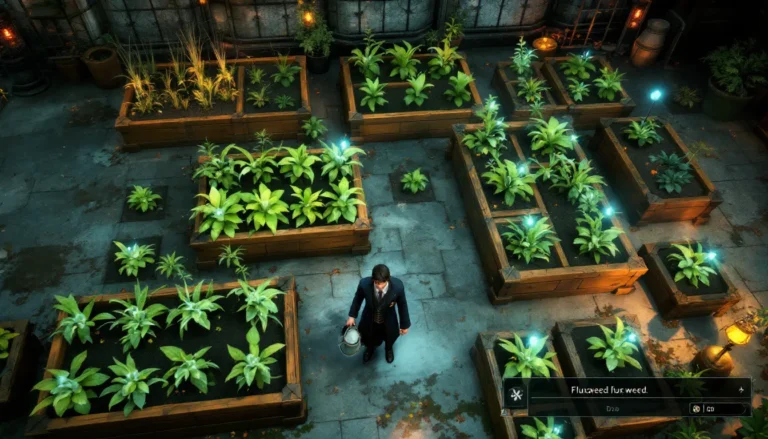
Knotgrass sprig is one of those ingredients you’ll find yourself hunting for repeatedly throughout your Hogwarts Legacy playthrough. If you’re brewing potions regularly, and you should be, you’re going to need a steady supply of this plant material. Whether you’re crafting stamina restoratives, baruffio’s brain elixir, or other essential concoctions, understanding where to find knotgrass sprig and how to farm it efficiently will save you hours of frustration. This guide breaks down everything you need to know about locating, collecting, and using knotgrass sprig effectively, so you can focus on what actually matters: getting stronger and exploring the Wizarding World.
Table of Contents
ToggleKey Takeaways
- Knotgrass sprig is an essential, frequently-used potion ingredient throughout Hogwarts Legacy that you’ll need to farm consistently to maintain a healthy potion stock.
- The most accessible early-game farming locations are around Hogwarts Castle’s courtyards, Clock Tower, and Undercroft path, while the Forbidden Forest offers high-volume collection opportunities for mid-to-late game players.
- Establish efficient farming routes that combine multiple gathering locations and leverage fast travel to minimize downtime, turning ingredient collection into quick 5-15 minute sessions rather than lengthy grinds.
- Knotgrass sprig is a base ingredient in essential potions like Baruffio’s Brain Elixir, Stamina Draught, and Edurus Potion—all critical for combat success and exploration.
- Combine passive ingredient collection with story progression and main quests to accumulate knotgrass supplies naturally without dedicated grinding sessions.
- Maintain a personal inventory threshold (such as 50+ sprigs) to prevent resource scarcity while avoiding obsessive farming that overshadows other Hogwarts Legacy content.
What Is Knotgrass Sprig and Why It Matters
Understanding the Item’s Purpose in the Game
Knotgrass sprig is a harvested ingredient classified as a plant material in Hogwarts Legacy. You’ll encounter it fairly early in the game, and it becomes one of the most frequently required potion ingredients you’ll ever collect. The sprig itself is a small, green plant component that you’ll gather from knotgrass plants scattered across the Wizarding World. Once collected, it goes directly into your ingredient inventory, where it can be used for crafting potions or stored for later use.
The reason knotgrass sprig matters so much is simple: it’s a core ingredient in several of the game’s most useful potions. Nearly every playthrough involves brewing potions regularly, especially once you unlock the more advanced recipes. Without a consistent supply of knotgrass sprig, you’ll find yourself repeatedly backtracking to farming locations or running low during crucial moments in combat or exploration.
The Role of Knotgrass in Potion Brewing
Knotgrass sprig serves as a base or secondary ingredient in multiple potion recipes. The exact potions that require it vary depending on your game version and any updates, but certain core potions remain consistent across the game. It appears in recipes ranging from basic potions that restore stamina to more advanced elixirs that grant temporary buffs or enhance your magical capabilities.
The demand for this ingredient is relentless because many players brew potions before boss fights, difficult dungeons, or competitive encounters. Since potions are consumable items that disappear after use, you’ll need to keep manufacturing them throughout your playthrough. This constant demand is why efficient farming strategies for knotgrass sprig aren’t optional, they’re essential if you want to maintain a healthy potion stock without spending half your playtime grinding for ingredients.
Where to Find Knotgrass Sprig in Hogwarts Legacy
Locations Across Hogwarts Castle
Knotgrass plants grow in several specific locations around Hogwarts Castle itself, making these some of the most accessible farming spots early in the game. The most reliable spawn point is in the Herbology section of the castle grounds, particularly near the greenhouse areas where botanical specimens are cultivated. You’ll find knotgrass plants growing naturally around the main castle structures, especially in outdoor courtyards and garden areas.
The courtyard near the Clock Tower contains multiple knotgrass sprigs if you’re thorough in your exploration. Also, the area around the Azkaban path and the general castle grounds yield consistent clusters of this ingredient. As you unlock more areas of the castle through story progression, additional gathering points will become available. The beauty of Hogwarts locations is their proximity to fast travel points, making quick farming runs highly efficient.
One particularly productive area for early-game farming is the path leading toward the Undercroft. The vegetation density in this region is notably high, and you’ll often find multiple knotgrass plants within a short walking distance of each other. This makes it ideal for new players who haven’t yet ventured into the more distant biomes.
Gathering Points in the Forbidden Forest
The Forbidden Forest is a treasure trove of potion ingredients, and knotgrass sprig is no exception. The forest contains numerous plants scattered throughout its dense terrain, particularly in the central and eastern sections. The advantage of Forbidden Forest farming is the sheer concentration of ingredients you can gather in a single run, though you’ll need to contend with the wildlife and navigational challenges of the forest itself.
Specific hotspots include the areas around the Forbidden Forest’s main pathways and clearings. The region near the eastern edge of the forest contains several clusters of knotgrass plants. If you’ve already defeated the dangerous creatures in the area or leveled up sufficiently to handle encounters, the Forbidden Forest becomes your go-to farming location for high-volume collection sessions.
The western sections of the Forbidden Forest also contain knotgrass, though they’re slightly less densely packed than the central areas. Many players establish a farming route through the forest that hits multiple ingredient spawn locations, making the journey time worthwhile compared to shorter Hogwarts runs. Pro tip: clear out any threats in your chosen route first, then return to farm without combat interruptions.
Other Areas and Hidden Spots
Beyond Hogwarts and the Forbidden Forest, knotgrass sprig appears in other regions of the map, though sometimes less obviously. Hogsmeade and its surrounding areas contain scattered plants if you explore thoroughly. The fields and countryside regions accessible from the main Hogwarts grounds occasionally feature knotgrass growth, particularly in grassy, uncultivated areas.
Hogsmeade Village itself has some gathering points, though they’re mixed among other ingredients. The main value of farming in Hogsmeade is combining it with other activities, pick up knotgrass while you’re already in the village handling other quests or business. Many players also discover isolated knotgrass plants while exploring the open world for other purposes, finding them somewhat randomly during their adventures.
The exact distribution of these ingredients sometimes varies based on which region you’re in and how far you’ve progressed in the story. Some areas remain locked or less accessible until you’ve completed certain questlines, but once the map opens up completely, you’ll have multiple viable farming locations to choose from based on your current position and playstyle.
How to Collect Knotgrass Sprig Efficiently
Best Harvesting Techniques
The actual harvesting process is straightforward: approach a knotgrass plant and interact with it. The game will prompt you to harvest the ingredient, and you’ll receive one knotgrass sprig per plant. Unlike some ingredients that might require special tools or abilities, knotgrass is immediately harvestable from the moment you encounter it. There’s no skill gate or prerequisite, if you can reach the plant, you can harvest it.
One key technique involves managing your inventory space. Knotgrass sprigs don’t take up excessive inventory slots individually, but they add up quickly during long farming sessions. Knowing your inventory limits before you start a major farming run prevents you from hitting the cap mid-collection and having to make trips back to storage. Plan your routes with drop-off points in mind, especially when you’re in Forbidden Forest where the nearest storage might be further away.
Another harvesting consideration is the respawn mechanic. Harvested plants don’t respawn instantly: there’s a cooldown period. If you’re farming the same location repeatedly, you’ll want to change locations between runs or wait for respawn cycles to complete. The respawn timer varies but generally requires stepping away from the area or progressing time in-game before plants reappear. This is why establishing multiple farming routes beats repeatedly grinding the same single location.
Optimal Routes and Farming Strategies
The most efficient farming strategy involves planning a circuit that hits multiple ingredient clusters without backtracking unnecessarily. For early-game players, a Hogwarts-focused route that combines the Clock Tower area, castle courtyards, and the Undercroft path creates a compact farming loop. This route can be completed in 5-10 minutes depending on your movement speed and how thoroughly you search each zone.
For mid-to-late game players, establishing a Forbidden Forest route becomes far more profitable. A typical Forbidden Forest run hitting central and eastern clusters can yield 10-15+ sprigs depending on respawn status and thoroughness. The trade-off is longer travel time and occasional combat encounters, but the return on investment makes it worthwhile once you’re adequately leveled.
Here’s a practical farming approach:
• Mark Your Route: Use your map to identify key gathering points before starting your run. This prevents wasted exploration time.
• Check Respawn Status: If you’ve farmed a location recently, consider hitting a different area first to maximize returns.
• Combine Activities: While farming knotgrass, collect other nearby ingredients you might need. This turns a focused grind into a more efficient multi-ingredient run.
• Time Your Sessions: Farm when you’ve got a solid block of playtime. Frequent, short runs are less efficient than dedicated farming sessions.
• Use Fast Travel: Position yourself strategically with fast travel point access to minimize downtime between collection areas.
Seasoned players often combine knotgrass farming with other objectives. If you’re already heading to Forbidden Forest for a quest, you’d route through ingredient-rich areas. If you’re in Hogwarts doing house tasks or collecting other components, you’d deliberately detour past known knotgrass spawn points. This passive collection, combined with dedicated farming sessions during calm gameplay periods, keeps your stock healthy without feeling like pure grinding.
Potions That Require Knotgrass Sprig
Essential Potions for Combat and Exploration
Knotgrass sprig is a primary ingredient in several potions you’ll brew regularly throughout the game. Baruffio’s Brain Elixir stands out as one of the most essential potions, requiring knotgrass sprig alongside other ingredients. This potion grants a temporary boost to your spell power, making it invaluable before challenging encounters. Many players brew stacks of this potion before difficult boss fights or when pushing through demanding dungeons.
Stamina Draught is another core potion that uses knotgrass sprig as a base ingredient. Since stamina management is crucial during combat, especially when dodging or executing special attacks, maintaining a supply of stamina potions keeps you prepared. The stamina restoration provided by this potion can mean the difference between winning and losing in tight combat scenarios.
Edurus Potion, which grants temporary protection against spell damage, also incorporates knotgrass sprig into its recipe. This becomes particularly relevant when facing enemies with heavy spell attacks, making it a tactical brew for specific encounter types. Similarly, Baruffio’s Brain Elixir enhances your offensive magical output, making it the go-to potion for damage optimization during important battles.
These essential potions form the backbone of most players’ potion brewing routines. The frequency with which you’ll craft them directly correlates to how much knotgrass sprig you need to farm. Competitive players who brew potions frequently before every major encounter naturally consume far more knotgrass than casual players who only brew occasionally.
Advanced Potions and Their Benefits
Beyond the basics, advanced potion recipes incorporate knotgrass sprig into more specialized brews. Wiggentree Bark Potion, though primarily requiring its namesake ingredient, often features knotgrass in certain recipe variations. These potions target specific magical enhancements or situational bonuses that become relevant in endgame content.
Some of the utility potions that involve stealth, perception, or movement also incorporate knotgrass sprig. Invisibility Draught and similar perception-altering potions rely on knotgrass as a stabilizing ingredient in their formulations. These potions become particularly valuable during exploration missions where detection avoidance is preferable to direct combat.
Advanced players often maintain separate stockpiles of different potions, brewing large batches during downtime for later consumption. This approach requires maintaining a robust supply of all core ingredients, including substantial quantities of knotgrass sprig. Understanding which advanced potions suit your playstyle determines how aggressively you should farm this ingredient.
The meta around potion usage shifts slightly based on personal preference and encounter difficulty. Some playstyles are potion-heavy, with players brewing and consuming potions regularly. Others minimize potion dependence, relying instead on spell selection and combat skill. Either way, having adequate knotgrass sprig ensures you’re never forced into a playstyle due to ingredient scarcity. The beauty of farming efficiency is maintaining abundance, allowing you to make choices based on preference rather than necessity.
Storage, Trading, and Management Tips
Managing Your Inventory
Knotgrass sprigs occupy inventory space just like any other item, so inventory management becomes critical during heavy farming sessions. The good news is that this ingredient doesn’t consume excessive space, you can carry a substantial quantity before hitting limits. But, knowing your inventory ceiling prevents frustrating mid-run capacity issues.
When you’re actively farming, keep one eye on your inventory count. Once you’re approaching your storage limit, it’s time to either head back to drop off your haul or prioritize other light ingredients and save the heavier materials for later. The Room of Requirement serves as your primary storage hub, and you can access it How to Drink a relatively quickly from most locations once you’ve unlocked it.
Many players establish a personal threshold, perhaps “always maintain 50+ sprigs at any time” or “never let supplies drop below a week’s worth of potion brewing.” This buffer prevents the annoying scenario where you want to brew potions but don’t have adequate ingredients. Establishing a target quantity based on your brewing habits takes the guesswork out of farming necessity.
One pro management tip involves sorting your ingredients mentally by urgency. Knotgrass sprig isn’t a rare, hard-to-find ingredient, so it doesn’t require the jealous hoarding you might apply to rarer components. This means you can afford to use stored sprigs liberally for brewing without constantly feeling the need to farm more. The abundance mindset prevents unnecessary grinding.
Trading and Purchasing Options
While farming is the primary method of obtaining knotgrass sprigs, the game offers alternative acquisition paths. NPCs and certain merchants carry potion ingredients, though availability and pricing vary. Some merchants in Hogsmeade occasionally stock knotgrass sprigs, allowing players to purchase additional supplies if farming isn’t keeping pace with consumption.
The cost of purchasing sprigs from merchants is generally reasonable compared to the time investment of farming, but most players find farming more efficient overall. Purchasing becomes valuable situationally, if you’re 10 sprigs short of completing a brewing session and don’t feel like another farming run, paying for those last few plants saves time. For most playthroughs, but, farming covers your needs adequately.
Trading between players isn’t a mechanic in Hogwarts Legacy since the game is single-player, so you can’t rely on player markets for ingredient acquisition. This makes self-sufficiency through farming the only long-term solution. But, understanding that vendors exist as a backup option prevents the panic of feeling like you’re stuck if your personal farming falls behind.
Pro Tips for Maximizing Knotgrass Collection
Time-Saving Shortcuts and Tricks
Experienced players develop numerous shortcuts that compound into significant time savings. One powerful technique involves fast-traveling strategically. Instead of running through zones to reach farming locations, fast-traveling to the nearest waypoint and making a short sprint to the gathering zone saves substantial travel time. Map awareness becomes your friend here, knowing which fast travel points have the closest access to productive farming areas streamlines your runs.
Another time-saving approach involves leveraging the respawn mechanics intentionally. Some players combine a main farming route with quick “pop-in” gathering from adjacent areas. You’ll harvest the primary route, and while waiting for respawns, quickly check nearby secondary locations that might have just refreshed. This approach maximizes your gathering within a single extended session.
Levitation charm usage accelerates movement through the Forbidden Forest considerably. Casting Levioso allows you to navigate terrain more quickly and bypass some obstacles, cutting farm run times noticeably. Also, understanding terrain shortcuts, knowing which paths are faster than they appear on the map, gains importance during repeated runs of the same route.
One underutilized technique involves farming during specific gameplay moments. When you’re heading to the Forbidden Forest for story missions or quests anyway, deliberately route through ingredient-rich zones before engaging quest objectives. This passive collection, multiplied across dozens of story interactions, accumulates significant ingredient stockpiles with minimal extra effort.
Balancing Collection With Other Activities
The temptation to farm relentlessly can overshadow other engaging Hogwarts Legacy content. Smart players recognize that farming efficiency allows them to minimize grinding time and maximize actual adventuring. By establishing effective farming routes and maintaining reasonable ingredient stockpiles, you free yourself from the pressure to grind constantly.
A healthy approach involves setting a personal farming schedule, perhaps “farm for 10 minutes every few gameplay sessions” rather than “grind for an hour.” This cadence keeps your supplies comfortable without grinding dominating your playtime. The beauty of efficient farming is that it requires so little dedicated time investment when done strategically.
Consider combining farming with other objectives for compound efficiency. If you’re unlocking new Hogwarts areas for house tasks, you’re naturally discovering new gathering locations. If you’re exploring new regions for story content, you’ll encounter ingredients passively. This holistic approach means ingredient collection happens almost incidentally within your regular gameplay rather than as a separate, tedious system.
Remember that Game8’s Hogwarts Legacy guides offer alternative perspectives on farming optimization if you’re looking for different routing strategies. Similarly, exploring community discussions on gaming forums reveals specialized farming techniques that different playstyles prefer. What works for one player might not suit another’s preferences, so your personal farming method should match your gameplay habits.
The endgame content in Hogwarts Legacy benefits from prepared players with healthy potion supplies. By maintaining consistent knotgrass sprig inventory through efficient farming, you ensure you’re always ready for challenging encounters without feeling like you’re spending half your playtime grinding ingredients. That’s the ultimate goal: maintaining agency over your potion usage rather than being constrained by resource scarcity.
Conclusion
Knotgrass sprig is one of those ingredients that separates prepared players from those perpetually scrambling for resources. Its ubiquitous presence in essential potion recipes makes it foundational to any serious Hogwarts Legacy playthrough. The good news is that farming it efficiently isn’t complicated, you just need to know where to look and how to route your collection runs smartly.
The locations are accessible and numerous enough that you’re never forced into resource scarcity. Whether you’re preferring quick Hogwarts runs or efficient Forbidden Forest circuits, viable farming options accommodate different playstyles and progression points. Combine that with strategic inventory management and intentional farming during story progression, and you’ll maintain abundant knotgrass supplies without dedicated grinding sessions consuming your entertainment time.
The competitive advantage belongs to players who understand ingredient management systems and leverage them effectively. You don’t need to treat farming as an exciting activity, you just need to approach it methodically, establish sustainable patterns, and let efficiency work for you. With solid farming fundamentals and the routing strategies outlined here, you’ll spend more time actually playing Hogwarts Legacy and less time worrying about whether you have enough knotgrass sprig for your next potion brewing session. That’s the real win.