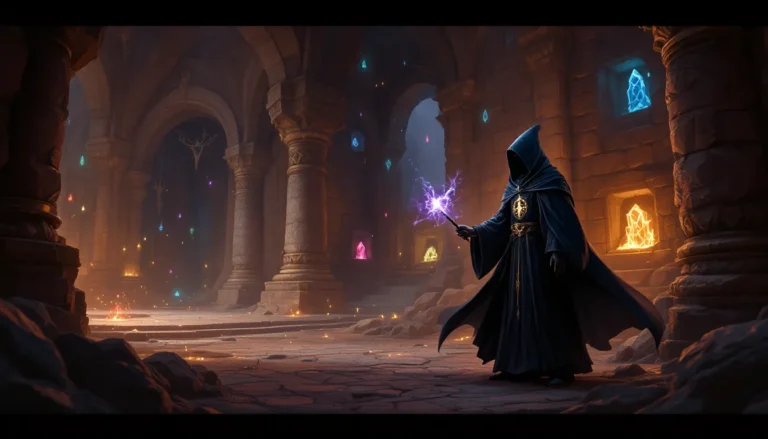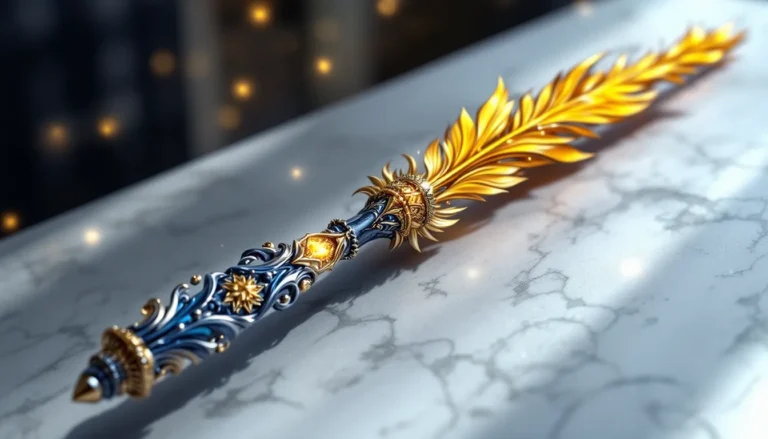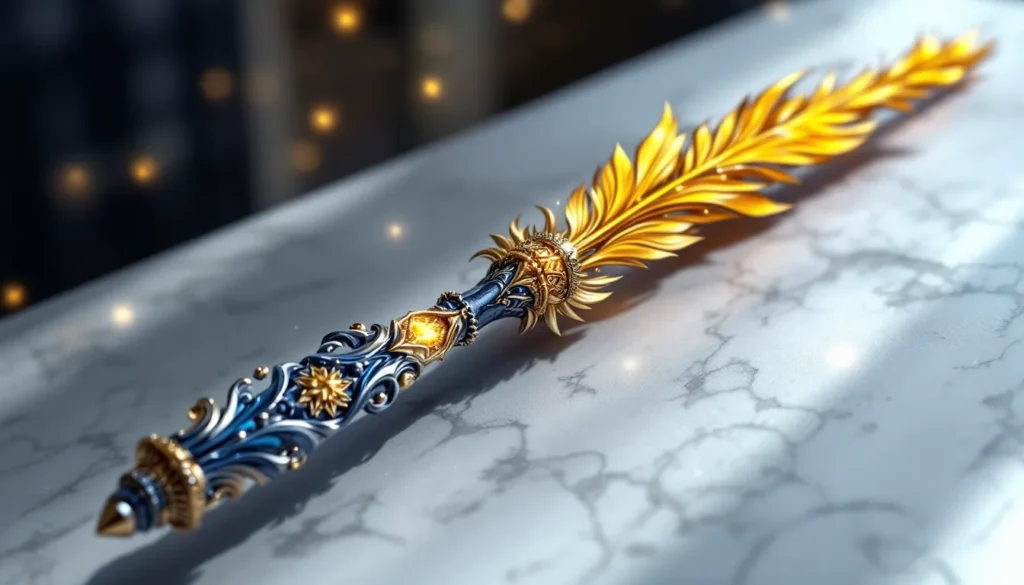
Your wand is more than just a cosmetic choice in Hogwarts Legacy, it’s the core of your combat identity. Whether you’re blasting enemies with Diffindo or channeling defensive magic, the wand you choose directly impacts your damage output, spell casting speed, and overall effectiveness in battle. With dozens of unique Hogwarts Legacy wands scattered across Hogwarts and the surrounding areas, picking the right one can mean the difference between a legendary playthrough and a frustrating grind. This guide breaks down every wand’s stats, rarity tier, customization options, and playstyle compatibility so you can find (or craft) your perfect match. We’ll cover legendary weapons hiding in the darkest dungeons, rare finds worth hunting down, and the mechanics that make each wand feel distinct. Whether you’re a first-year student or grinding toward endgame content, understanding Hogwarts Legacy wand mechanics and wand wood types will level up your game.
Table of Contents
ToggleKey Takeaways
- Hogwarts Legacy wands have distinct stat profiles with Damage and Cast Speed stats that shape your combat identity—choose high-damage for burst playstyles or fast-casting for spell-chaining builds.
- Wand customization through cores (Phoenix Feather, Thestral Hair, Unicorn Hair) and wood types (Elder, Holly, Ash, Hawthorn, Yew) lets you fine-tune both performance and aesthetics to match your character fantasy.
- Legendary wands like Merlin’s Wand and Sentinel’s Vigil are endgame rewards worth hunting in dungeons and through quests, but Rare and Epic options are competitive and more accessible for mid-game progression.
- Synergizing your Hogwarts Legacy wand selection with your talent tree and spell loadout dramatically amplifies effectiveness—pair curse-focused wands with Dark Arts talents and defensive wands with Shield spells for optimal builds.
- Level your wand through combat and enhance it with materials like Moonstone Shards, Fwooper Feathers, and Demiguise Moonseeds to significantly boost late-game performance and Challenge viability.
- The best wand matches your actual playstyle and feels satisfying to use rather than being numerically optimal on paper—experiment freely and trust your instincts to find your perfect magical match.
Understanding Wand Mechanics and Stats
Before you start hunting for legendary wands, you need to understand what makes each one tick. In Hogwarts Legacy, wands aren’t just reskins of each other, they have distinct stat profiles that shape how you play.
How Wand Stats Affect Your Combat Performance
Every wand in Hogwarts Legacy carries two primary stats: Damage and Cast Speed. Damage determines how hard each spell hits, while Cast Speed affects how quickly you can chain spells together. This creates a natural tension: high-damage wands often have slower casting, while fast-casting wands deal less per hit.
Your preferred playstyle should drive your stat priority. If you favor burst damage and cooldown-heavy abilities, a slow, high-damage wand pairs perfectly with spells like Unforgivable Curse or Expelliarmus. Speed-focused builds, on the other hand, thrive with wands that let you rapid-fire hexes and charms. Early game, don’t stress too much about perfect stat alignment, any wand works fine. By mid-to-late game, but, the gap between a optimized wand and a random drop becomes noticeable in combat difficulty.
Wand level also matters. As you progress, you’ll unlock higher-level versions of the same wand with improved stats. A level 30 legendary wand significantly outperforms its level 10 counterpart, so don’t feel locked into early choices.
Damage Types and Elemental Effects
Hogwarts Legacy features three primary damage types: Standard (physical magic), Fire, and Ice. Some wands lean into specific elements, making them synergistic with certain spell trees. A fire-aligned wand paired with Incendio and Bombarda feels almost broken in the right scenario. Ice wands complement control-heavy spellcasting.
That said, elemental alignment is flexible, not mandatory. You’re not locked into using only fire spells with a fire wand, the bonus just sweetens the deal. If you love the feel of a particular wand’s design or stats, use it regardless of elemental type. The stat numbers matter more than the flavor text.
All Hogwarts Legacy Wands Ranked by Rarity
Rarity determines baseline stats, visual flair, and where you’ll find each wand. Here’s the tier breakdown:
Legendary Wands and Where to Find Them
Legendary wands are the pinnacle of Hogwarts Legacy wand selection. They boast the highest stat ceilings and instantly recognizable designs. These are endgame gear, some require defeating specific bosses or completing challenging Challenges.
Admirable Wand of Ancient Magic drops from a high-level enemy encounter in the Feldcroft Catacomb. It trades raw damage for a massive Cast Speed boost, making it ideal for spell-chaining builds. The design feels genuinely magical, with ethereal energy crackling around the core.
The Executioner’s Axe Wand is a dark, menacing legendary with brutally high damage. You’ll need to reach late-game dungeons or complete specific Challenges at high difficulty to unlock it. It’s best for players who don’t mind slower casting in exchange for devastating single hits.
Elixir of Life Wand leans toward support playstyles, boosting your spell effectiveness against weakened enemies. It’s hidden in a restricted area accessible only after a certain story beat. The pale, crystalline aesthetic is stunning.
Legendary wands don’t appear in vendor inventories, you’ll hunt them down in the world. Check your spell upgrade menu or community databases to track which legendaries align with your build.
Rare and Epic Wands Worth Collecting
Rare and Epic wands bridge the gap between early-game commons and late-game legendaries. Many of these are genuinely competitive even in endgame content, especially if their stat distribution matches your playstyle perfectly.
Wand of the Sentinel is an Epic offering solid all-around stats with no glaring weaknesses. You’ll find it in Hogsmeade shops or as dungeon loot. It’s not flashy, but it’s reliable.
The Phantom’s Grip is a Rare wand that excels in stealth-adjacent playstyles where you cast before enemies detect you. Its modest stats hide its real strength: compatibility with certain talent trees that reward precision casting.
Starlight Wand is an Epic with beautiful visual effects. It slightly boosts experience gain from spell casts, making it excellent for characters grinding levels. The subtle glow is less obnoxious than some legendaries.
Rares and Epics are farmable, you can reload areas or revisit vendors for refreshed inventory. This makes them accessible even if you’re not tackling the game’s toughest content.
Common and Uncommon Wands for Beginners
Common and Uncommon wands won’t win endgame comparisons, but they’re absolutely fine for the first 20-30 hours. Don’t feel pressure to hunt legendaries immediately.
Blackthorn Wand is a Common drop you’ll likely find in the first hour. Its balanced stats make it a solid learning tool. The dark, knarled wood fits Hogwarts’ aesthetic perfectly.
Aspen Wand is another early Common with slightly higher Cast Speed. If you’re experimenting with spell-spamming tactics, try this one out.
Uncommon wands like Redwood Wand and Hawthorn Wand offer marginal stat improvements and start appearing around level 5-10. Vendor inventories refresh as you level, so expect new options naturally. The beauty of early-game wands is that you can swap freely without feeling like you’re missing out, enjoy the journey.
Wand Customization: Cores, Woods, and Handles
Once you’ve chosen a wand’s base form, customization layers open up deeper identity options. Hogwarts Legacy wand wood types and core selections let you fine-tune appearance and slightly tweak performance.
Wand Core Types and Their Unique Properties
Wand cores represent the magical heart of your wand. In Hogwarts Legacy, you’ll encounter three main core types, each with subtle mechanical and thematic differences.
Phoenix Feather Cores are associated with Healing and defensive magic. If you’re running a support-heavy talent tree or leaning into healing spells, a phoenix feather core subtly amplifies those effects. Mechanically, the difference is modest, maybe 2-3% effectiveness, but it feels right thematically. Wands with phoenix cores have a warm, golden appearance.
Thestral Hair Cores sync with dark magic and curse spells. They’re the choice for players embracing the darker side of the wizarding world. Pairing a Thestral Hair Core with curse talents creates a cohesive character fantasy. These cores tend to reduce friendly fire damage slightly, making them safer for aggressive playstyles.
Unicorn Hair Cores amplify elemental magic (fire and ice) and work best with elemental-focused builds. The visual effect is ethereal and delicate, unicorn core wands shimmer with rainbow iridescence.
Note: Core swapping is possible through the wand customization interface, so don’t feel locked into an initial choice. Experiment to find what clicks for your build.
Wood Selection and Visual Aesthetics
Hogwarts Legacy wand wood types dramatically affect how your wand looks without meaningfully altering mechanics. This is where personal preference truly shines.
Elder Wood is the dark, gnarled option. It screams powerful dark wizard, even if your character is morally gray. Elder wands have a menacing, ancient energy.
Holly Wood is bright and refined, fitting heroic playstyles perfectly. It’s the choice for players roleplaying as the “good guy.” The light, clean aesthetic contrasts sharply with darker woods.
Ash Wood splits the difference, neutral and professional. It works for any playstyle without making a strong statement.
Hawthorn Wood is aggressive and thorny, visually conveying danger. Hawthorn wands feel perfect for beast-hunting builds.
Yew Wood is rare and ancient, reserved for legendary weapons. Yew’s dark crimson hue and twisted grain make it instantly recognizable.
Many players spend an hour just cycling through wood combinations to find their vibe. This is 100% encouraged. Your wand should feel right when you hold it, not just perform well on paper.
Best Wands for Different Playstyles
Now that you understand wand mechanics and customization, let’s match you with the perfect wand for how you actually play Hogwarts Legacy.
Top Wands for Offensive Spell-Casting Builds
Offensive builds prioritize damage output and spell chaining. You’re the pyromaniac tossing fireballs, the curse-slinger, the glass cannon who makes up for lack of defense with overwhelming firepower.
Best Choice: Merlin’s Wand (Legendary)
Merlin’s Wand offers the highest Damage stat in the game with respectable Cast Speed. It’s a pure damage dealer’s dream. You’ll find it deep in a restricted area after unlocking specific story content. The cost is steep, you’ll need substantial resources, but the payoff is worth it. Pair it with high-level Incendio Mastery and Bombarda, and you’ll delete enemy groups from range.
Budget Alternative: Starling Wand (Rare)
A Rare with solid Damage and a minor Cast Speed bonus. Starling wands appear in Hogsmeade shops around level 15-20. They won’t win endgame comparisons, but they’re excellent for the mid-game offensive grind. The pale wood is gorgeous too.
Speed-Focused Option: Dragonbone Wand (Epic)
If you prefer rapid-fire casting over raw per-hit damage, Dragonbone excels. Its Cast Speed is among the highest available, letting you string together hexes before enemies react. Find it in Feldcroft dungeons or purchase from specialized vendors.
Offensive builds shine in open-world encounters and lower-difficulty Challenges. Against bosses, slower high-damage wands often perform better, so keep multiple wands on hand.
Best Wands for Defense-Focused Wizards
Defense-focused builds prioritize survivability, damage mitigation, and crowd control. You’re the tank, the protector, the wizard who stays standing when others fall.
Best Choice: Sentinel’s Vigil (Legendary)
Sentinel’s Vigil grants bonus damage reduction and amplifies defensive spell effectiveness. It’s heavily reward-gated, expect to reach level 35+ before you can acquire it. Pairing this wand with Shield Charms and protective talents creates a nearly unkillable character. The ornate, cross-shaped design radiates defensive power.
Budget Alternative: Warden’s Wand (Uncommon)
Warden’s Wand is accessible early and specializes in defensive stats. While not flashy, it synergizes beautifully with defensive talents and shields. Pick one up in Hogsmeade around level 5-10.
Control-Oriented Option: Petrification Rod (Rare)
This wand boosts crowd control effectiveness, making your stunning and freezing spells land harder. It’s perfect for players who disable enemies before they can attack. Find it in restricted areas or complete specific Challenges.
Defense builds require discipline, you won’t eliminate enemies quickly, so patience becomes your weapon. Against tough bosses, defensive playstyles often outlast aggressive ones.
Wands for Versatile and Balanced Gameplay
Balanced builds don’t commit fully to offense or defense. You want competent damage, reasonable survivability, and flexibility to adapt mid-combat.
Best Choice: Artificer’s Catalyst (Epic)
Artificer’s Catalyst is the “does everything well” wand. Neither stat dominates, but both are solid. Its true strength is compatibility with nearly every talent tree, you’re not locked into a specific playstyle. It’s farmable from mid-game vendors (level 15+). Many veterans prefer Artificer’s Catalyst over flashier legendaries because it feels more versatile.
Budget Alternative: Journeyman Wand (Common)
Journeyman Wand is available immediately and maintains balanced stats throughout early game. It’s the perfect learning tool if you haven’t decided your build yet.
Skill-Expression Option: Adapter’s Wand (Rare)
Adapter’s Wand offers mid-tier stats with a unique passive: switching between spell categories grants a temporary damage boost. It rewards adaptive, tactical playstyles. You’ll find it in mid-game dungeons or from specialized vendors.
Balanced builds dominate solo play and Challenges that throw mixed enemy types at you. You’ll adapt better to surprises than specialized builds.
How to Upgrade and Enhance Your Wand
Your wand’s power ceiling expands as you level it up. Upgrading transforms early-game drops into competitive late-game tools.
Leveling Your Wand Through Combat
Wands gain experience through combat. Every spell you cast with a wand pushes it closer to the next level. The more you use a specific wand, the faster it levels. This creates organic progression, your favorite wand grows alongside your character.
Level 1-10 wands feel noticeably weak against level 20+ enemies. Don’t expect a early-game find to carry you to endgame without leveling investment. Plan on dedicating 10-20 hours of gameplay to a single wand to reach its level cap (usually 40-45 depending on rarity).
Multiple wands let you specialize: keep a fire-focused wand for fire puzzles, a defensive one for tough bosses, an offensive one for open-world farming. Leveling multiple wands in parallel is viable if you rotate them strategically during gameplay.
Enhancement Materials and Where to Farm Them
Enhancements go beyond leveling. Special materials unlock wand upgrades at vendors or crafting stations. There are three primary enhancement material types:
Moonstone Shards boost elemental damage slightly. Farm them from ice-themed dungeons (Poidsear Coast area) or defeat ice-aligned enemies. You’ll need roughly 50-100 Moonstone Shards for a single wand’s full enhancement chain.
Fwooper Feathers amplify curse and dark magic effects. Hunt Fwoopers in the Feldcroft Catacomb or trade for them from specialized vendors using Galleons (in-game currency). Feathers are rarer than shards, so prioritize wands you actually use.
Demiguise Moonseeds unlock universal enhancements that work on any wand. These are the most valuable, farm them relentlessly. Find them by solving Demiguise statue puzzles scattered across the map. Each statue typically grants 2-3 Moonseeds.
Farming enhancement materials can feel tedious, but it’s optional for casual play. Tackle dungeons for enjoyment, loot materials naturally, and enhance wands when you’ve accumulated enough. Don’t grind mindlessly, let upgrades happen organically.
The payoff is substantial: a fully enhanced legendary wand with appropriate materials feels noticeably more powerful than the baseline version. The investment pays dividends in late-game Challenges.
Wand Locations and Collection Guide
Ready to hunt? Here’s where to find specific wands worth pursuing.
Wands Hidden in Dungeons and Restricted Areas
Dungeons are your primary hunting ground for rare and legendary wands. Most require solving puzzles, defeating bosses, or navigating environmental hazards.
Feldcroft Catacomb is an early-accessible dungeon packed with Rare and Epic wands. You’ll encounter Bloodstone Wand (Rare, excellent for curse builds) and Crystalline Shard Wand (Epic, fire-focused). The catacomb itself involves dark-magic-themed puzzles, expect ice gates and dark creature encounters.
Poidsear Coast hides several legendaries in its upper regions. You’ll need high-level gear and substantial health potions to push through. The effort yields wands like Thestral’s Grip (Legendary, curse-focused) and Frostbane (Legendary, ice-specialist). The frozen caverns are genuinely atmospheric.
Hogsmeade Restricted Section (accessed post-story) contains multiple exclusive wands. Forbidden Wand (Epic) is here, along with dark-magic-aligned tools. The area features restricted-section-themed security puzzles.
Ravenclaw Tower’s Upper Library holds academically-inclined wands like Scholar’s Pride (Rare). The tower is vertically challenging, expect platforming segments alongside combat.
Investigation and exploration are rewarding. Every dungeon holds multiple wands, so approach each area methodically. Check every corner and solve optional puzzles for hidden treasure rooms.
Wands Unlocked Through Side Quests and Challenges
Not all wands are hidden. Quests and Challenges reward legendary weapons upon completion.
Harriet’s Vengeance Quest (given by a student in the Great Hall) culminates in receiving Avenger’s Edge (Rare), a wand tuned for revenge-fantasy playstyles. It boosts damage against specific enemy types that wronged you in-quest. Complete it for character development and a solid reward.
The Duel Challenge Series requires defeating progressively stronger opponents. Winning at Challenge Tier 8 unlocks Champion’s Blade (Epic), a wand representing your dueling mastery. The wand itself isn’t the strongest numerically, but it’s deeply rewarding to earn.
Merlin’s Map Hunt is a multi-part quest involving collecting map fragments. The reward is access to Merlin’s Chamber, where you’ll find Merlin’s Legacy Wand (Legendary). This is an absolute grind, but the legendary payoff is worth it.
Dark Arts Spellbook Quest requires finding dark-magic-aligned spell books scattered across Hogwarts. Turn them in at Salazar Slytherin’s vault to unlock Slytherin’s Serpent Wand (Legendary). It’s dark, menacing, and ridiculously powerful against magical creatures.
Quest rewards often have story significance beyond raw stats. A wand earned through a 10-hour quest chain feels more earned than a random dungeon drop. Prioritize quests aligned with your character’s personality.
Wand Synergies With Spells and Talents
Wand selection doesn’t exist in a vacuum. Your wand’s elemental type, core, and stat distribution interact with your spell loadout and talent tree choices.
Pairing Your Wand With Curse Spells
Curse spells are Hogwarts Legacy’s most powerful offensive toolkit. Pairing them with synergistic wands amplifies their effectiveness dramatically.
Crucio (Unforgivable Curse) deals DoT damage and benefits from high Damage wands and Thestral Hair Cores. Merlin’s Wand or Curse Master’s Rod (Rare, curse-specific) pair perfectly. You’re turning enemies into damage-over-time fountains.
Avada Kedavra demands maximum Damage and synergizes with Damage-prioritizing wands and curse-boosting talent points. The setup is demanding but devastating. Pairing Slytherin’s Serpent Wand (Legendary, dark-magic-aligned) with a full curse talent tree creates an insta-gib machine against single targets.
Imperio is control-focused, less dependent on specific wands. That said, wands with mind-magic boosts (Elder Wand variants) provide subtle benefits. You’re not forced into specific wand choices here.
Curse playstyles require Dark Arts Talent tree investment. Allocate points into curse mastery, duration extension, and cooldown reduction. Your wand choice should complement this investment, not contradict it.
Wand Compatibility With Talent Trees
Talent trees are your build’s skeleton. Wands are the flesh that makes the skeleton functional.
Spell Mastery Tree benefits from Cast Speed-focused wands because you’re chaining spells rapidly. Artificer’s Catalyst or Dragonbone Wand lets you use those speed talents effectively.
Dark Arts Tree pairs with high Damage, curse-focused wands. Slytherin’s Serpent Wand, Curse Master’s Rod, and Thestral-core weapons shine here. You’re investing in curse duration, damage, and cooldown reduction, your wand should enable those investments.
Defense Tree synergizes with defensive wands that boost shield strength or damage reduction. Sentinel’s Vigil (Legendary) is basically made for Defense Tree players. Defensive talents increase spell effectiveness, your wand should amplify that further.
Elixir Mastery Tree benefits from Healing/Support-focused wands. Phoenix Feather Cores and wands with health-restoration properties create insane survivability builds. You’re unkillable.
The strongest players don’t pick random wands, they plan builds around synergistic combinations. Decide your talent allocation first, then hunt for a wand that amplifies your choices. High Keep Hogwarts Legacy: covers talent optimization in depth if you want to dive deeper into build crafting.
Note: Wand synergy isn’t mandatory. Casual players can use any wand with any spells and have fun. Competitive players or Challenge runners, but, benefit significantly from intentional wand-spell-talent alignment.
Conclusion
Finding your perfect Hogwarts Legacy wand is a personal journey that blends stat optimization with aesthetic preference and playstyle identity. Whether you’re chasing legendary weapons hidden in restricted areas, customizing a wand’s core and wood to match your character fantasy, or synergizing your wand choice with spell selection and talent investments, the choices you make shape how Hogwarts Legacy feels in your hands.
Start by understanding your playstyle. Are you an offensive spell-caster? A defensive protector? A versatile adaptor? Your answer determines which wands to prioritize. Early game, pick a wand that feels good and stop overthinking it, you’ll naturally upgrade through loot and quest rewards. By mid-game, start farming specific dungeons or completing quests for wands that align with your build’s direction. Late-game is where wand synergy matters most: that’s when a perfectly optimized legendary paired with complementary spells and talents elevates your performance noticeably.
Remember: no wand is objectively “best” outside of its intended context. A legendary high-damage wand underperforms in a defense-focused build, while a defensive wand feels underwhelming for pure burst damage. The best wand is the one that matches your build, feels satisfying to use, and drives your character’s story forward. Experiment with different wands throughout your playthrough. You might discover an underrated Rare that outperforms legendaries in your hands simply because its stat distribution aligns perfectly with how you actually cast spells.
Hogwarts Legacy gives you the freedom to be creative. Respect that freedom, enjoy the hunt, and trust your instincts when you find a wand that clicks. Your magical journey is unique, your wand should be too.